Greenhouse production in Ghana is growing fast. Most new operators focus on the structure and the crop variety — and underestimate the three management systems that actually determine profitability.
The greenhouse structures going up across Greater Accra, Volta, and Ashanti Regions represent a significant capital investment — anywhere from GH₵ 80,000 for a basic polythene tunnel to GH₵ 500,000 for a ventilated multi-span with roll-up sides. The investors who recoup that capital fastest are not the ones who chose the best structure. They are the ones who mastered three interconnected management systems: climate control, fertigation, and integrated pest management. These are the three knobs. Turn any one of them incorrectly and the other two cannot compensate.
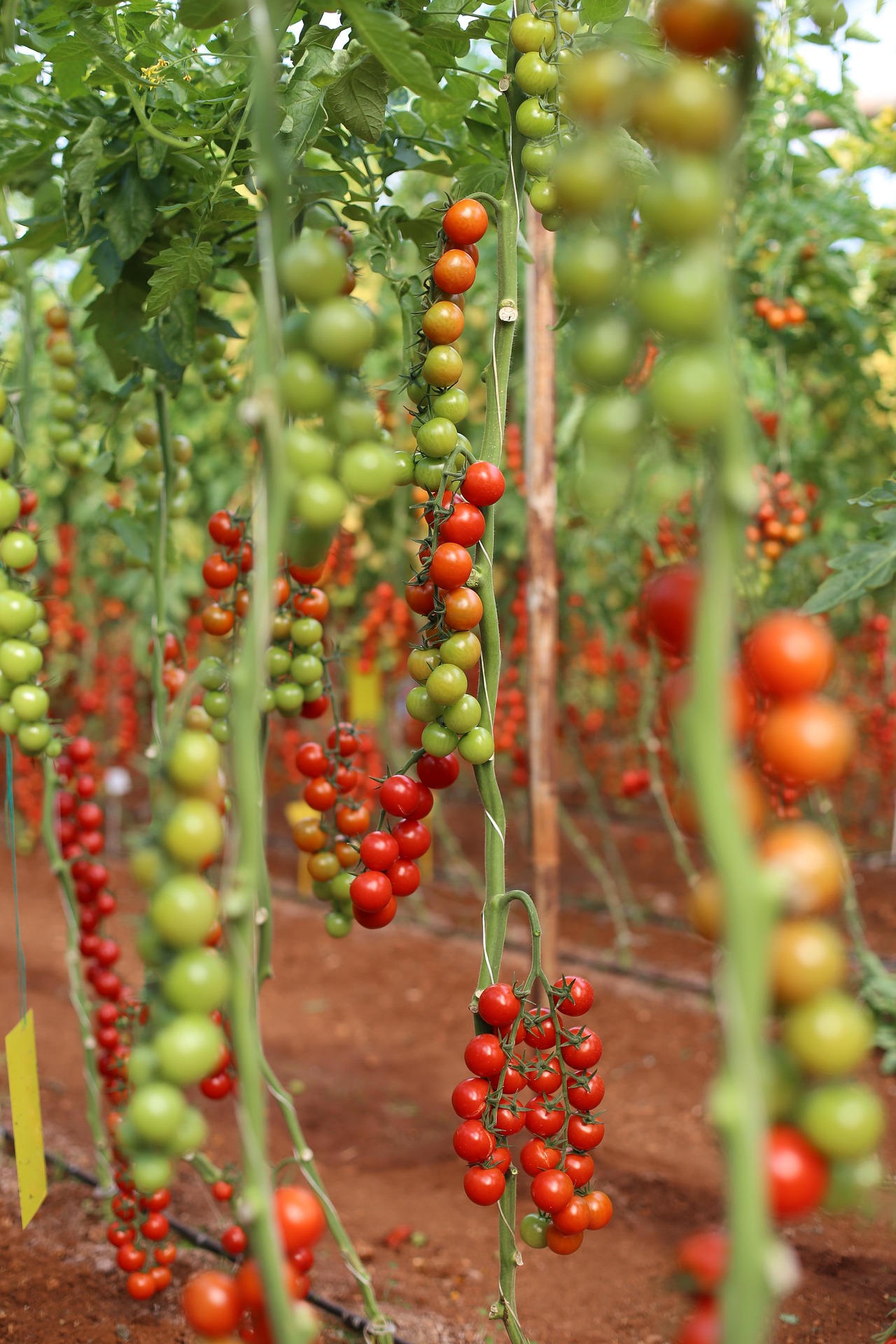
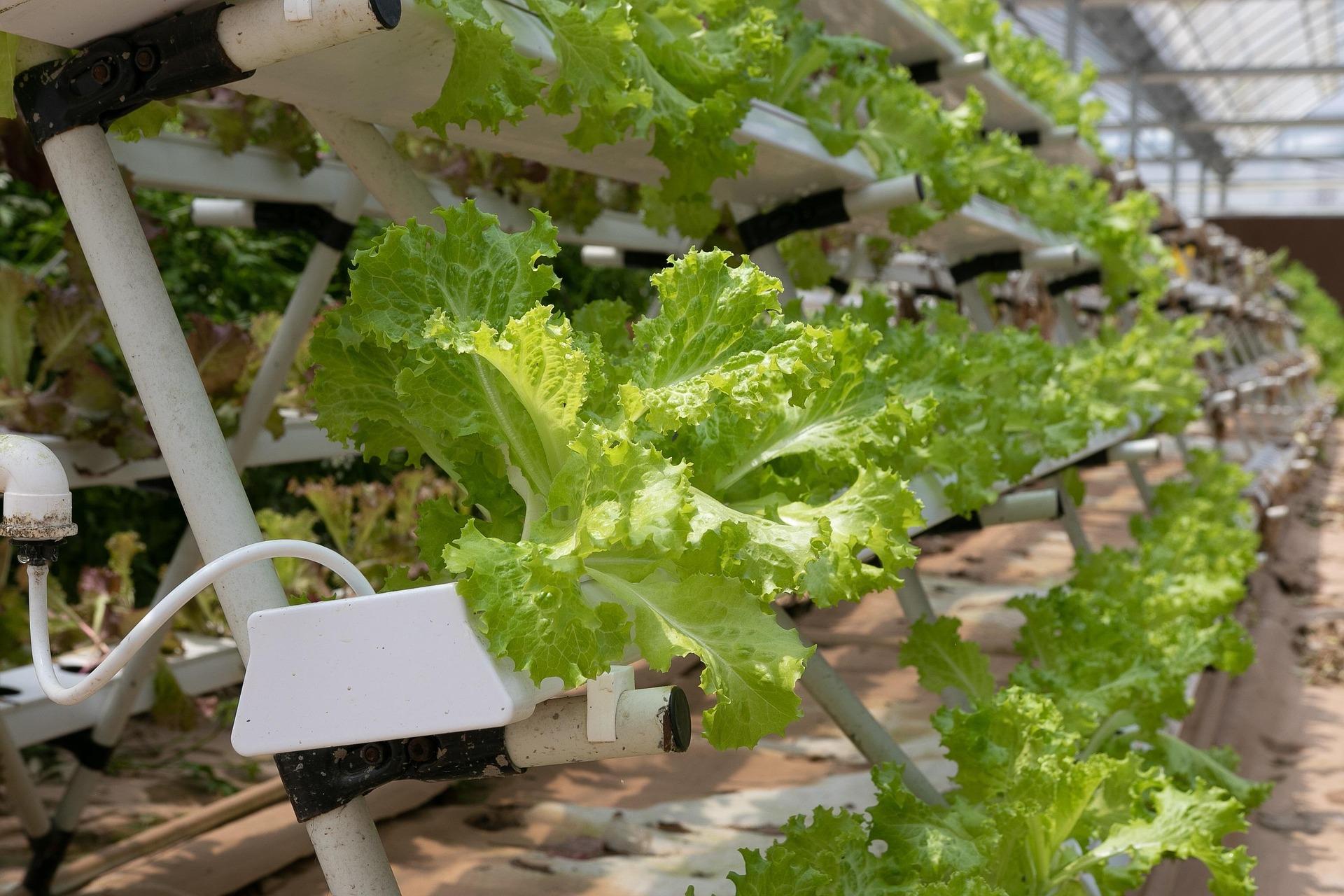
Climate inside a greenhouse in Ghana is the first challenge. Without active ventilation, internal temperatures during the dry season regularly exceed 42°C, which causes flower abortion in tomatoes and tipburn in lettuce. The solution in most smallholder-scale structures is passive: ridge vents, roll-up side walls, and orientation north–south to minimise direct afternoon sun on the long faces. For operators running sensitive crops like cucumber or capsicum, shade nets at 30–40% density across the roof add a further 4–6°C reduction. Monitor with a min–max thermometer at canopy height, not at the wall, and log daily. You cannot manage what you do not measure. Fertigation — delivering nutrients through the irrigation system — must be calibrated to the growth stage of the crop. Many growers apply a single formula throughout the season and wonder why their plants push vegetative growth at the expense of fruit set. A three-stage programme (establishment, vegetative, reproductive) with EC and pH monitoring is the minimum for any serious commercial operation. Target EC of 2.0–2.8 dS/m for tomato at flowering, and monitor pH in the range 5.8–6.5 to ensure nutrient availability. IPM inside a greenhouse requires more vigilance than in the open field — the enclosed environment accelerates pest populations. Sticky traps at canopy height for whitefly and thrips give early warning. Biological controls — specifically Encarsia formosa for whitefly and Amblyseius cucumeris for thrips — are available through agricultural suppliers in Accra and are highly effective when introduced before populations establish.
The operators we work with who achieve consistent profitability treat the greenhouse as a precision instrument: daily monitoring logs, weekly nutrient adjustments, fortnightly pest scouting, and a crop diary that lets them compare cycle to cycle. The structure is just the container. The management is the crop.