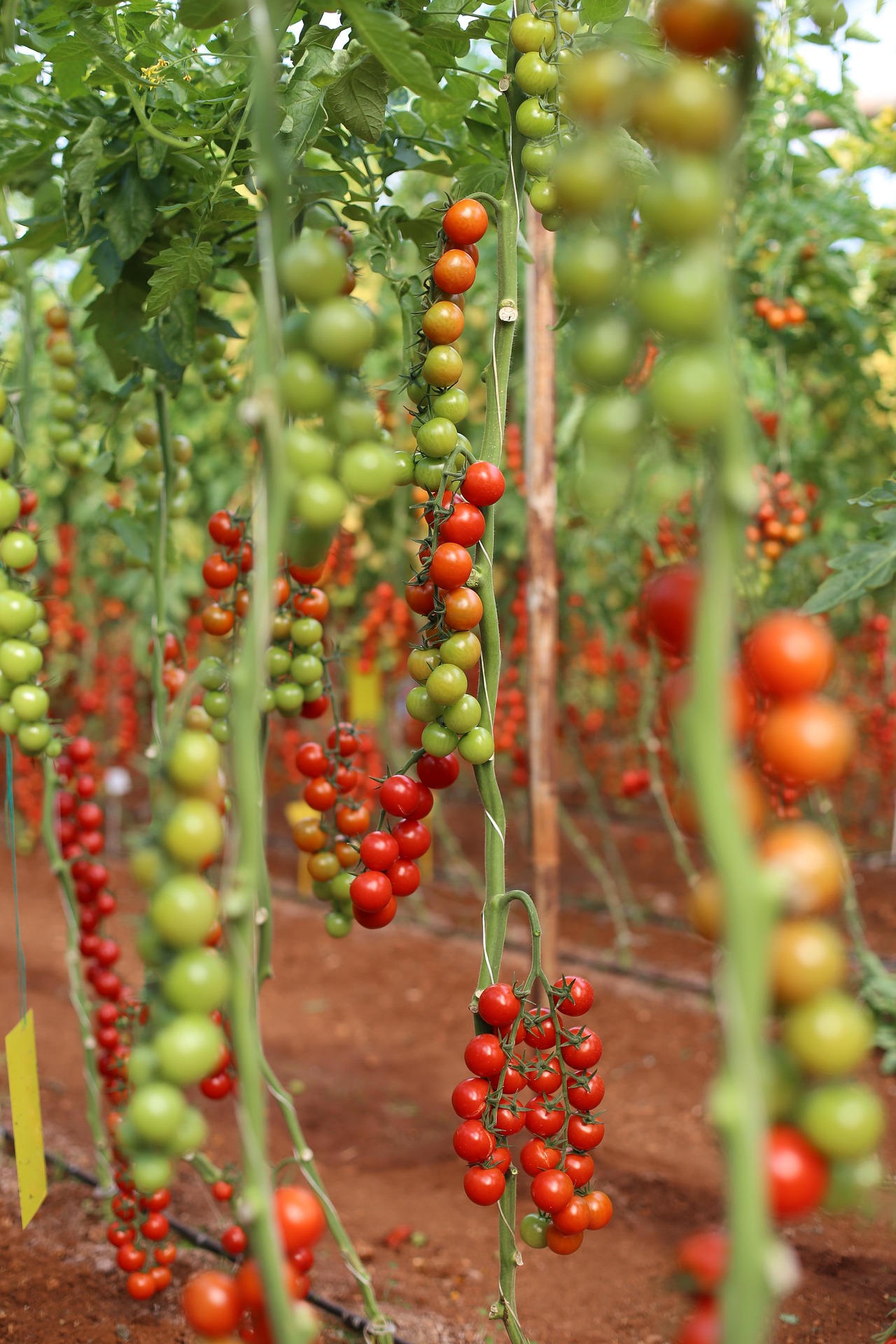
Most smallholder tomato farmers in Ghana spray on a calendar, not on thresholds. That is expensive and counterproductive. A scouting calendar costs nothing and usually cuts spray events by half.
Walk any smallholder tomato plot in the Volta Region during the main season and you will find evidence of the spray-calendar trap: empty sachets of lambda-cyhalothrin sprayed every seven days, whether or not a pest is present. The logic is understandable — inputs are expensive, a crop failure is catastrophic, and prevention feels safer than monitoring. But blanket spraying kills natural enemies, selects for resistance, and accounts for 30–40% of a tomato farmer’s variable cost in a season where margins are already thin.
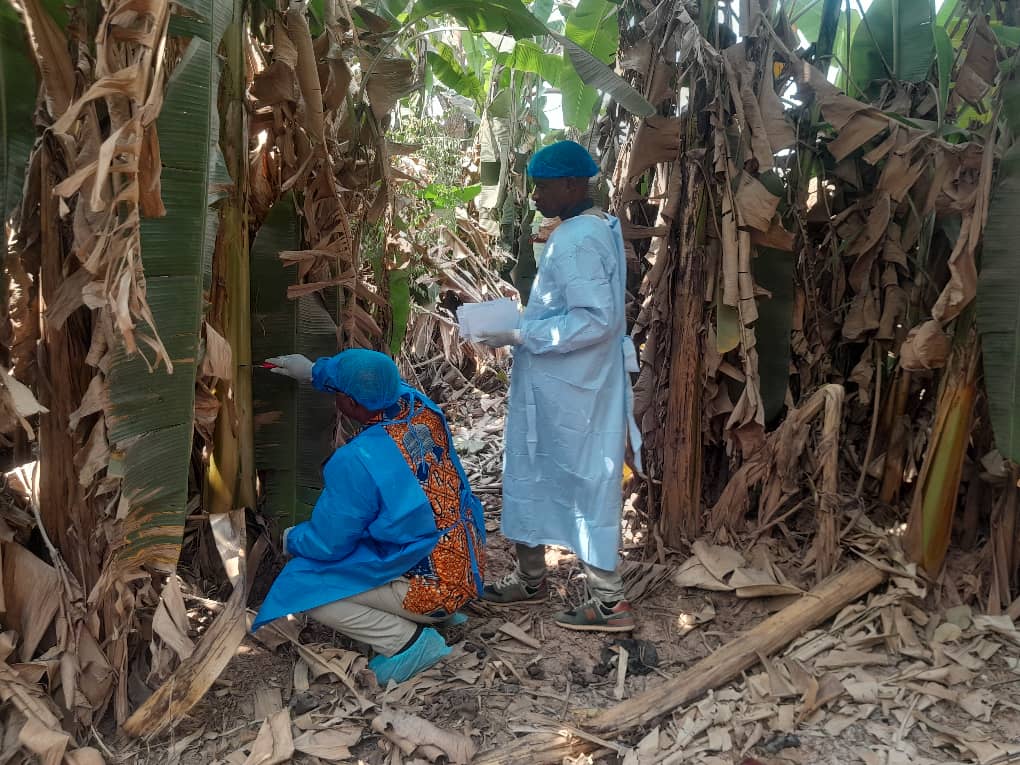
Integrated Pest Management starts with a scouting calendar, not a spray calendar. In practice this means visiting every section of the field twice a week, recording counts of whitefly adults per leaf, leafminer trails per plant, and fruit borer entry holes per 10 fruits. You set action thresholds in advance — for whitefly, our threshold on determinate varieties is 15 adults per leaf on 20% of sampled plants. Below threshold: no spray. Above threshold: targeted application of the most selective chemistry available. The scouting sheet takes 25 minutes per acre and requires no equipment beyond a hand lens and a clipboard.
On three demonstration plots we ran in the Volta Region in 2025, the scouting approach reduced spray events from an average of 14 per season to 6, cut pesticide spend by 44%, and maintained marketable yield within 3% of the sprayed-every-seven-days control. Whitefly counts actually dropped faster on the scouted plots because beneficial insects — parasitic wasps in particular — were not wiped out by the routine applications. If you are growing tomatoes this season, the single highest-return activity you can do is spend 25 minutes twice a week in your field with a notebook.