A Northern Region dairy operation was losing condition on its cows despite adequate feed. Six months after converting to rotational grazing across 60 hectares, milk yield per cow is up 22% and supplementary feed costs are down.
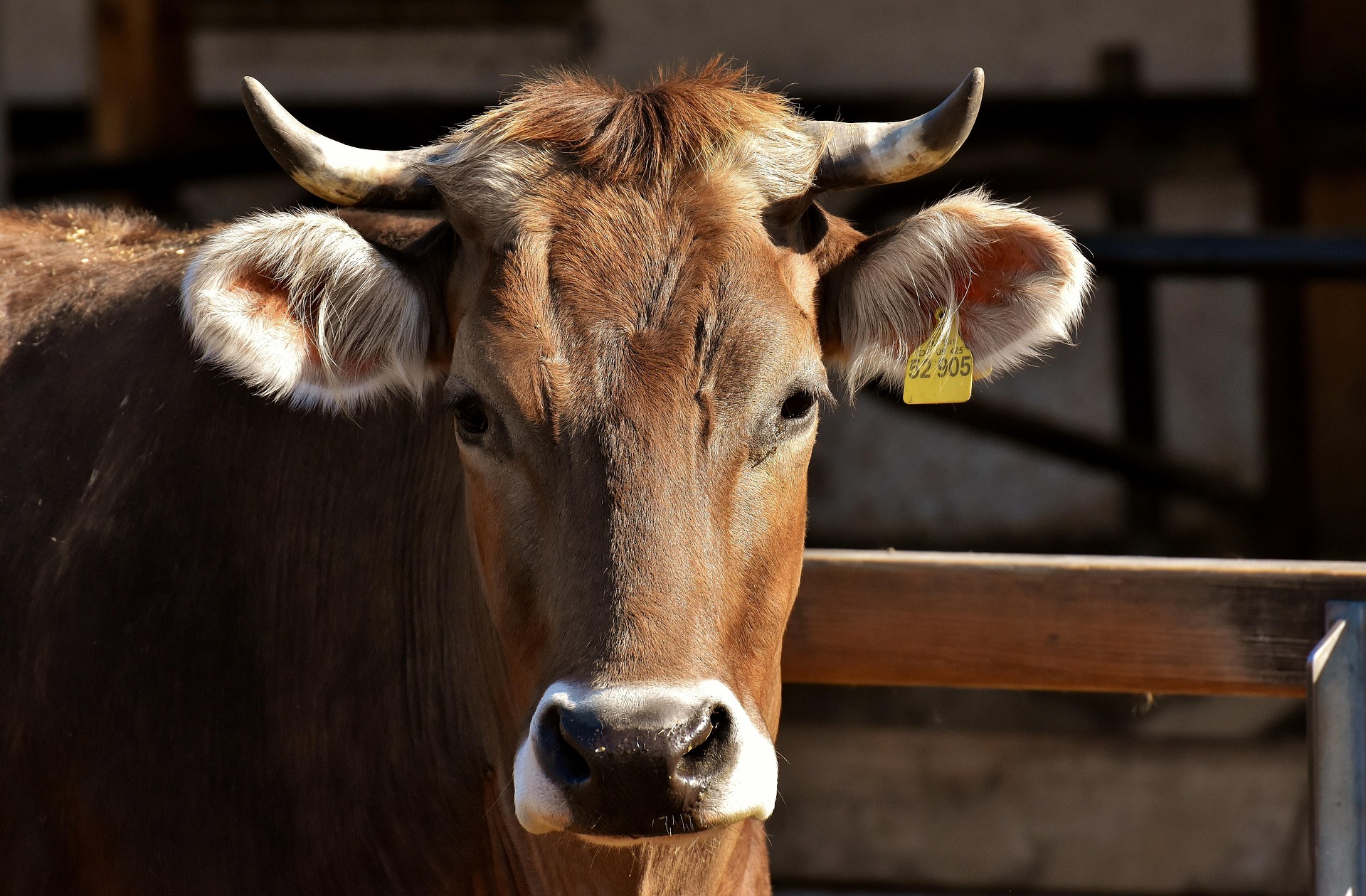
When we first assessed the 60-hectare cattle operation near Tamale in early 2024, the herd of 34 Friesian-crossbred cows was in poor condition despite the owner spending significantly on concentrates. The root problem was simple: continuous grazing had degraded the pasture to the point where available dry matter was far below what the cows needed. Overgrazed areas had little more than weeds and bare soil. The cows were walking further each day for poorer feed, burning energy that should have gone into milk production. Average daily yield across the herd was 4.8 litres per cow — well below the potential of the genetic cross.
We divided the 60 hectares into eight paddocks using a combination of existing boundaries and new electric fence lines. The rotation schedule we set was six days per paddock, giving each paddock 42 days of rest before re-entry. In the first two months, the paddocks in the worst condition received a single application of urea-treated crop residue to kick-start recovery. We also reseeded three paddocks with Panicum maximum and Stylosanthes guianensis mix, which is well-adapted to the northern savannah. The herd was supplemented with a modest 1.5 kg of concentrate per cow per day — down from the 3 kg the owner had been feeding in the hope it would compensate for the poor pasture.
Six months in, the results have exceeded the initial projection. Average daily yield per cow has risen to 5.9 litres — a 22% improvement. The re-seeded paddocks are showing full establishment and the dry matter availability across the rotation has approximately doubled from the baseline measurement. Concentrate spend has dropped by 50% as the pasture now carries more of the nutritional load. Cow body condition scores have improved by an average of 0.8 points on the five-point scale. The lesson we keep returning to is that feeding your way out of a pasture problem is expensive and temporary. Fixing the pasture is the investment with the lasting return.